
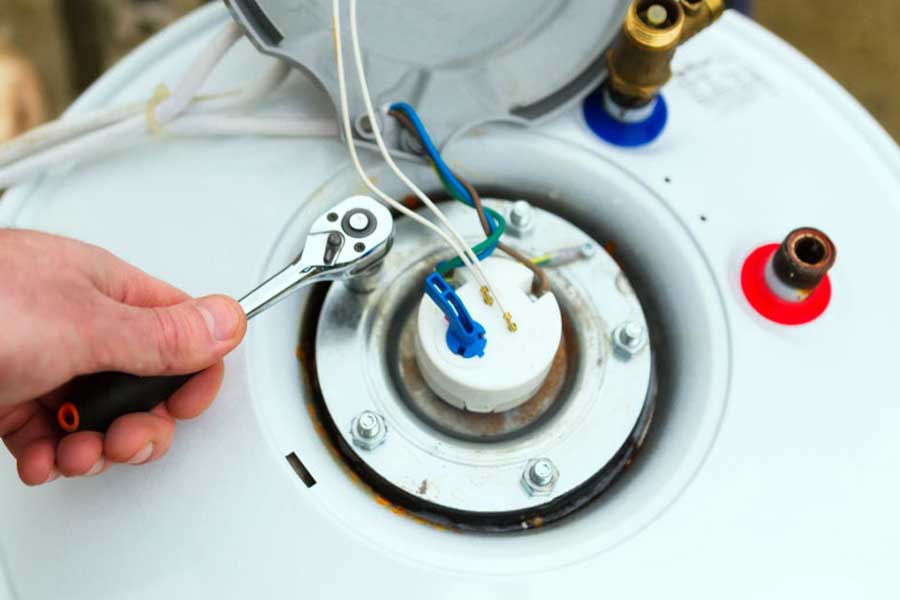
Your water heater is like the heart of your home, pumping warmth and comfort into your daily routine. It can feel like a jolt to your system when it breaks down. You might notice inconsistent temperatures or hear strange noises. What do you do next? Understanding the symptoms and troubleshooting steps can guide you toward effective solutions, ensuring your home returns to its usual comfort. Let’s explore how to get your water heater back on track.
Common Symptoms of a Malfunctioning Water Heater
What signs indicate that your water heater might be on the fritz? First, if you’re noticing inconsistent water temperatures, it could mean your unit’s heating element is struggling.
You might also see water pooling around the base of the heater, which often indicates a leak. Unusual noises, like popping or rumbling, can signal sediment buildup, affecting efficiency.
If your hot water smells foul, it could indicate bacteria in the tank, requiring immediate attention. Additionally, if your water heater is older than 10 years, it might be time to evaluate its performance, as wear and tear can lead to potential failures.
Finally, if you consistently run out of hot water, it’s a clear sign that your system isn’t functioning properly. Being aware of these symptoms can help you address issues before they escalate, ensuring your home stays comfortable and your family remains safe. Regular maintenance, including annual maintenance, is recommended for the longevity of your unit.
Troubleshooting Steps for Homeowners
Noticing signs of a malfunctioning water heater can be frustrating, but there are steps you can take to troubleshoot the issue before calling for professional help.
Start by checking the power supply and confirming the circuit breaker hasn’t tripped. A simple reset might solve the problem.
Next, inspect the thermostat’s temperature settings. If it’s set too low, you mightn’t get hot water. Adjust it to around 120°F for peak performance.
Lastly, look for any visible leaks or rust around the unit. These can indicate more serious issues that might need addressing. Timely repairs can prevent larger problems and extend the lifespan of your water heater.
Here’s a quick checklist:
- Check the power supply – Confirm the circuit breaker is intact and functional.
- Inspect thermostat settings – Adjust to a suitable temperature if needed.
- Look for leaks or rust – Any signs of water damage should prompt further investigation.
When to Seek Professional Assistance
When should you consider calling in the pros for your water heater issues? If you’ve gone through basic troubleshooting and still face problems, it’s time to reach out for help.
Signs like strange noises, leaks, or inconsistent water temperatures indicate potential failures that need expert attention. Don’t ignore any unusual smells, especially if you detect a gas odor, as this can signal hazardous situations.
If your water heater is over ten years old, replacing it rather than repairing it might be more efficient. Professional technicians can assess your unit’s condition and recommend the best course of action. Additionally, they can provide guidance on tankless systems that may offer a more efficient and reliable solution.
Remember, handling complex components or electrical issues without proper training can lead to further damage or safety risks. At KC Home Services, we prioritize your family’s safety and comfort, ensuring you get the reliable service you deserve.
Don’t hesitate—call for professional assistance when needed.
Choosing the Right Replacement Water Heater
- Type of Heater: Decide between tankless, traditional, or heat pump water heaters. Each has its benefits based on your household’s hot water demands.
- Energy Efficiency: Look for models with high Energy Factor (EF) ratings. Efficient units not only save you money on bills but also reduce your carbon footprint.
- Size and Capacity: Verify the water heater fits your household size. A unit that’s too small can leave you cold during peak usage, while an oversized one may waste energy. Additionally, consider how water softener installation can enhance your water quality, impacting the overall performance and longevity of your new water heater.
Maintenance Tips for Longevity and Efficiency
Regular maintenance is essential to guarantee your water heater runs efficiently and lasts as long as possible.
Start by flushing the tank annually to remove sediment buildup, which can hinder performance. Check the temperature setting; keeping it at 120°F is both safe and energy-efficient.
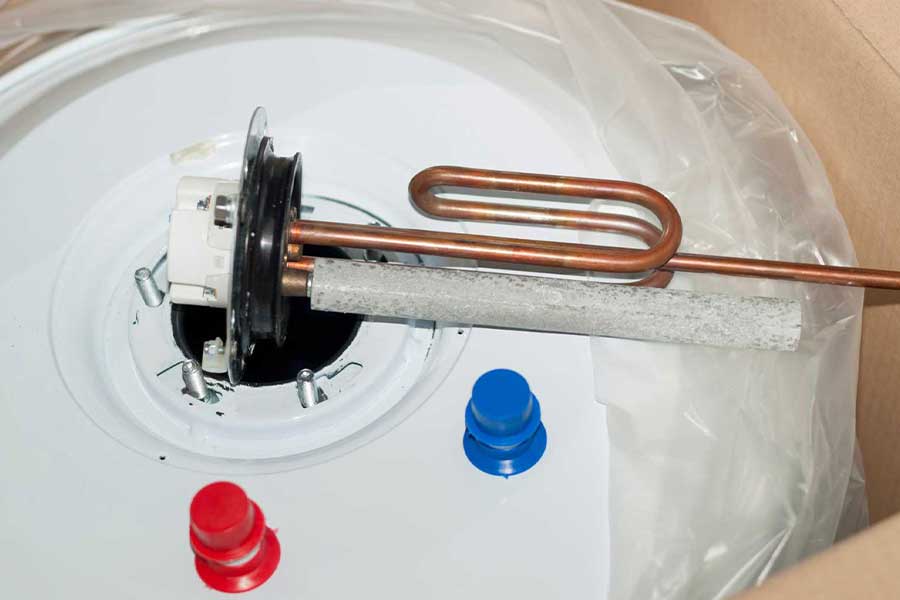
Inspect the anode rod every couple of years and replace it if it’s heavily corroded, as this helps prevent rusting inside the tank.
Make it a habit to look for leaks around connections and the tank itself, addressing any issues immediately to avoid bigger problems.
Finally, consider scheduling a professional inspection with KC Home Services every few years. Their expertise can catch potential issues early and guarantee your water heater remains in top condition.
Conclusion
In the face of a broken water heater, don’t let frustration wash over you. By troubleshooting common issues and knowing when to call in the pros, you can restore comfort to your home. Remember, investing in regular maintenance not only extends your water heater’s lifespan but also saves you from unexpected costs down the line. So, why wait? Take action today and guarantee your water heater runs smoothly for years to come.