
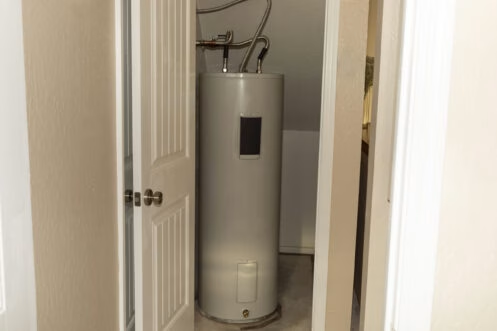
The water heater in your home is one of its most essential appliances, providing the heated water your household depends on every day for bathing, cooking, and cleaning. In Santa Rosa and throughout Sonoma County, we work on water heaters in all kinds of homes, from older craftsman properties near the Railroad Square Historic District to newer builds out toward Rincon Valley. Water heaters are typically safe when properly maintained, but certain conditions can create a genuine explosion risk. Understanding the potential causes, recognizing the warning signs, and knowing when to call a licensed technician are the most important steps you can take to protect your home.
For homeowners in Santa Rosa who want professional eyes on their system before a problem develops, our water heater repair service is a reliable first call.
The Mechanics Inside
A conventional water heater operates by taking in cold water, heating it, and storing it inside a tank until it is needed. The process uses either gas or electricity for heating, and a thermostat regulates the temperature. Most water heaters include critical safety mechanisms, such as temperature and pressure relief valves (also known as T&P valves), which are designed to prevent dangerous pressure from building up inside the tank. However, neglected maintenance or component failure significantly increases the risk of a serious incident.
Many homeowners wonder whether a water heater can actually explode. The answer is yes, it is possible. It is rare, but the consequences when it happens can be catastrophic. Potential outcomes range from significant property damage to serious injuries, and in the worst cases, fatalities. An explosion occurs when pressure inside the tank exceeds safe limits due to faulty safety mechanisms or another malfunction.
Can a Tankless Water Heater Explode?
Tankless water heaters are generally considered safer than traditional tank-style units, but they are not without risk. Gas-powered tankless units can ignite if a gas leak comes into contact with an ignition source. Hard water, common in parts of Sonoma County due to the mineral content of the local water supply, can cause mineral buildup in a tankless unit, leading to overheating and potential system failure. Valve malfunctions and blockages can also create pressure risks that may result in damage or rupture.
If you are considering upgrading to a newer, safer system, our team handles tankless water heater installation and repair for homeowners throughout the area.
5 Common Causes of Hot Water Heater Explosions
Based on service calls across Santa Rosa, five causes account for the majority of serious water heater incidents.
1. Excessive Pressure Buildup
A water heater is designed to operate within a specific pressure range. If pressure exceeds the safe threshold, tank rupture becomes a real possibility. This can result from excessively high temperature settings, a malfunctioning pressure relief valve, or a faulty pressure release mechanism that has become blocked or corroded over time.
2. Sediment Buildup
Over time, sediment and minerals accumulate at the bottom of the tank. This is more pronounced in areas with harder water. That buildup forces the heating element to work harder, can damage the tank lining, and traps heat in ways the system was not designed to manage. When pressure spikes and overheating occur in a tank already weakened by sediment accumulation, the risk of rupture increases substantially.
3. Thermostat Malfunctions
A malfunctioning thermostat can allow water temperatures to climb far beyond safe levels. That temperature rise directly increases pressure inside the tank, increasing the risk of a dangerous failure. If residents in a home notice unusually hot water at fixtures throughout the house, that is a signal worth taking seriously and warrants a prompt investigation by a professional.
4. Faulty T&P Relief Valve
The T&P relief valve is a critical safety component in any tank-style water heater. If this valve is faulty, clogged, or improperly installed during a previous service visit, there is no safe means of pressure escape, and pressure can reach hazardous levels with no warning.
5. Gas Leaks
Gas-powered water heaters carry an added risk of explosion if a gas leak occurs near an ignition source. Warning signs of a gas leak include a pilot light that frequently goes out, hissing sounds near the gas line, or a sulfur or rotten-egg odor near the appliance. If a gas leak is ever suspected, the gas supply should be shut off immediately and a licensed professional contacted without delay. Our gas line installation team can also evaluate gas supply connections and ensure everything is properly secured and up to code.
Warning Signs That Your Water Heater May Explode
Recognizing the early warning signs gives homeowners and occupants the best chance of avoiding a serious incident. While only a licensed technician can provide a thorough evaluation, there are observable signs that should prompt an immediate call for service.
- Rusty or discolored water: If hot water from any fixture appears rusty or discolored, it may indicate internal tank corrosion. Corrosion weakens the tank structure over time, increasing the likelihood of eventual failure.
- Continuous valve discharge: A T&P valve that releases water regularly indicates that excessive pressure is building inside the tank. This is not a self-resolving condition and requires professional attention.
- Scorched or burnt components: Visible burn marks on or around the tank body or its connections indicate that overheating has already occurred.
- Rumbling or popping noises: These sounds typically indicate sediment buildup, which causes localized overheating inside the tank and produces characteristic noises as pressure shifts.
How To Prevent a Hot Water Heater Explosion
Professional preventative maintenance is the most reliable way to keep a water heater operating safely over its service life. In our experience working across Santa Rosa neighborhoods, from the Fountaingrove area to the older homes near Howarth Park, deferred maintenance is the most common factor we find when a water heater has reached a dangerous condition.
A properly maintained system should include:
- Annual tank flushing: Removing sediment buildup prevents overheating and structural weakening caused by long-term accumulation.
- T&P valve testing: A qualified technician should regularly inspect and test the valve. If water does not release during testing or if the valve leaks continuously afterward, replacement is necessary.
- Thermostat calibration: The thermostat should be checked and adjusted as needed, with a water temperature setting of approximately 120 degrees Fahrenheit considered the recommended baseline for most residential applications.
- Full system inspection: Connections, valves, and the exterior of the tank should be examined for rust, corrosion, and early signs of leaking at each service visit, so that small problems are addressed before they become serious.
For gas-powered water heaters specifically, proper ventilation around the unit is essential, and the flue pipe should be inspected regularly for blockages that could allow dangerous gases to accumulate. Installing a carbon monoxide detector near the unit adds another layer of protection for the household.
When it is time to replace an aging water heater, our water heater replacement and installation service can guide homeowners to the right option for their home, including tank, tankless, and heat pump models.
What To Do if You Suspect a Problem
If any of the warning signs described above are present in a home, taking immediate action is the right call. Here is what a homeowner should do while waiting for a licensed technician to arrive:
- Shut off the power supply: For gas water heaters, locate and close the gas valve. For electric models, switch off the dedicated breaker at the electrical panel.
- Close the cold-water inlet: Turn off the incoming water supply valve to prevent additional water from entering the tank and further pressurizing the tank.
- Do not attempt to repair the T&P valve yourself: If the valve is not functioning properly, that work should be left to a licensed plumber who can assess whether the valve alone needs replacement or whether a deeper issue is involved.
- Contact a licensed technician immediately: A professional inspection is the only way to determine the full scope of repairs or replacements needed to restore safe operation.
Keep Your Home Safe with KC Home Services
Water heater explosions are rare, but when they happen, the damage is severe. The good news is that this is one of the most preventable household emergencies. Regular professional maintenance, prompt attention to warning signs, and timely equipment replacement when a unit reaches the end of its service life are the three factors that keep risk low.
KC Home Services Plumbing, Heating & AC Repair has been serving Santa Rosa and Sonoma County families for over 40 years. Our licensed plumbers bring field experience and honest recommendations to every service call, and we treat every home we work in the way we would want our own to be treated. If your water heater is showing any of the warning signs covered in this article, do not wait. Contact our team today to schedule a professional inspection.