


Proper AC maintenance is essential to effectively lower your energy bills. Changing your air filters regularly is just the start; it directly impacts airflow and efficiency. Scheduling annual professional maintenance can help identify hidden issues before they escalate. Additionally, cleaning your outdoor unit and ensuring proper insulation are important steps to prevent energy loss. But there’s more you can do to optimize your system and save money throughout the season.
Change Your Air Filters Regularly
When you neglect to change your air filters regularly, you can significantly reduce your AC system’s efficiency and lifespan. Clogged filters restrict airflow, forcing your unit to work harder, which leads to increased energy consumption and higher bills. To maintain ideal performance, check your filters monthly and replace them every 1 to 3 months, depending on usage and filter type. A clean filter improves indoor air quality by trapping dust, pollen, and allergens, guaranteeing a healthier environment for you and those you serve. Additionally, a well-maintained AC system requires fewer repairs and operates quietly, enhancing comfort. Prioritizing this simple task can considerably extend your system’s life and improve its cooling capabilities. Stay proactive to guarantee reliable air conditioning throughout the seasons.
Schedule Annual Professional Maintenance
Scheduling annual professional maintenance for your air conditioning system is crucial for peak performance and longevity. During these inspections, technicians will thoroughly evaluate your system’s components, identifying potential issues before they escalate into costly repairs. They’ll check refrigerant levels, inspect electrical connections, and calibrate the thermostat to guarantee maximum efficiency.
Regular maintenance enhances your AC’s reliability and promotes energy efficiency, which helps lower your bills. A well-maintained system operates smoothly, reducing energy consumption. Furthermore, many manufacturers require regular servicing to uphold warranty conditions, so it’s a proactive step in protecting your investment. By prioritizing professional maintenance, you’re ensuring that your AC serves you effectively and sustainably for years.
Clean the Outdoor Unit
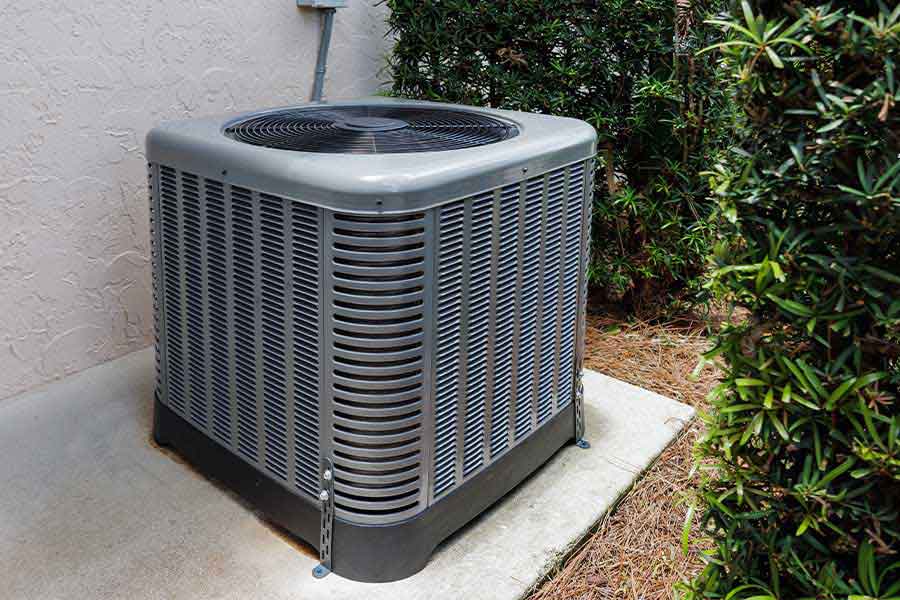
Regularly cleaning the outdoor unit is essential to guarantee your air conditioning system operates efficiently. Start by turning off the power to the unit to confirm safety. Remove debris like leaves, dirt, and twigs from the surrounding area. Use a soft brush or cloth to clean the fins gently, avoiding damage. Check the fan blades for any obstructions and wipe them down. Additionally, inspect the condensate drain for clogs; clearing it helps prevent moisture buildup. If you notice any signs of rust or corrosion, address these issues promptly to maintain performance. By keeping the outdoor unit clean, you’ll improve airflow and efficiency, ultimately lowering your energy bills and extending the lifespan of your system.
Seal Ducts and Insulate Properly
Properly sealing ducts and insulating your home can significantly enhance your air conditioning system’s efficiency. Start by inspecting your ducts for leaks, especially at joints and connections. Use mastic sealant or metal tape to seal gaps, preventing cool air from escaping and reducing energy waste. Next, check your insulation levels, particularly in attics and crawl spaces. Insulation should meet local building codes to maintain ideal temperature control. Consider adding more insulation if necessary, which can considerably lower energy bills. Don’t forget to insulate ductwork in unconditioned spaces; this helps maintain the desired temperature throughout your home. By taking these steps, you’ll ensure your AC operates more effectively, benefiting your wallet and the environment.
Use Programmable Thermostats
When you implement a programmable thermostat, you can markedly optimize your air conditioning system’s performance and efficiency. These devices allow you to set specific temperatures for different times of the day, ensuring your AC runs only when needed. For instance, you can program higher temperatures while you’re away or asleep, reducing energy consumption during those hours. Many models also feature learning capabilities, adapting to your habits over time. By utilizing these settings, you’ll lower your energy bills and extend your AC unit’s lifespan. Review and adjust your schedule seasonally to align with changing weather patterns. This proactive approach serves both your budget and the environment effectively.
Keep Vents Clear and Unobstructed
Ensuring that your vents are clear and unobstructed is essential for maintaining ideal air circulation and system efficiency. Blocked vents restrict airflow, forcing your AC system to work harder, which can increase energy bills. Regularly inspect all vents in your home, including those in seldom-used rooms. Remove any furniture, curtains, or other objects that may impede airflow. Dust and debris can accumulate, so clean the vent grates and surrounding areas frequently. Consider using vent covers to remove dust when vents aren’t used, if necessary. By prioritizing clear vents, you enhance your AC’s performance and contribute to a more comfortable environment for everyone in your space.
Optimize Ceiling Fan Usage
After addressing the importance of clear vents, it’s time to contemplate how ceiling fans can enhance your air conditioning system’s efficiency. Using ceiling fans effectively can maintain comfort while reducing energy costs. Here are some key tips:
- Set fans to spin counterclockwise in summer for a cooling breeze.
- Use fans in conjunction with AC to circulate cooled air more effectively.
- Adjust fan speed based on room occupancy; higher speeds for busy areas, lower for less occupied spaces.
- Keep fans clean to guarantee maximum airflow and efficiency.
- Turn off fans when not needed; they cool people, not spaces.
Consider Upgrading to a High-Efficiency Unit
Upgrading to a high-efficiency air conditioning unit can significantly impact your energy consumption and overall comfort, especially if your current system is outdated or underperforming. High-efficiency units use advanced technology, such as variable-speed compressors, which adjust cooling output based on your home’s needs, optimizing energy use.
These systems often have higher Seasonal Energy Efficiency Ratio (SEER) ratings, indicating better energy performance. While the initial investment may be higher, the long-term savings on your energy bills can be substantial. Additionally, many high-efficiency models qualify for rebates and tax credits, further offsetting costs. By making this upgrade, you’re enhancing your comfort and contributing to a more sustainable environment, benefiting your household and the community at large.
Utilize Energy-Efficient Practices
While your air conditioning unit is essential in maintaining a comfortable indoor environment, adopting energy-efficient practices can significantly enhance its performance and reduce overall energy consumption. Here are some effective strategies you can implement:
- Seal Leaks: Verify windows and doors are properly sealed to prevent cool air from escaping.
- Use Ceiling Fans: Pair your AC with ceiling fans to circulate air more effectively.
- Close Blinds: Block direct sunlight during peak hours to reduce cooling demands.
- Regular Maintenance: Schedule routine inspections and cleanings to keep your unit running efficiently.
- Install Programmable Thermostats: Automate temperature adjustments based on your schedule.
Monitor and Adjust Thermostat Settings
Optimizing your thermostat settings is crucial for maximizing the efficiency of your air conditioning system. Start by setting your thermostat to 78°F during the day when you’re home and adjusting it higher when you’re away. Consider using programmable or smart thermostats to automate these adjustments, which can save energy effortlessly. Regularly monitor your thermostat’s performance and guarantee it’s placed away from heat sources and direct sunlight to avoid false readings. During peak summer months, avoid drastic temperature changes, which can strain your system and increase energy bills. Additionally, consider utilizing “vacation mode” for extended absences. By fine-tuning your thermostat settings, you’ll lower your energy bills and extend your AC unit’s lifespan.

Conclusion
You can significantly lower your energy bills by prioritizing regular AC maintenance and implementing these tips. Change your air filters frequently, schedule professional check-ups, and keep the outdoor unit clean to guarantee peak performance. Seal ducts and insulate properly to prevent air loss, and use programmable thermostats to maintain efficiency. Minor adjustments like maximizing ceiling fan usage can also make a difference. These practices will enhance your system’s performance and keep your home comfortable year-round.
Frequently Asked Questions
How Often Should I Replace My Air Filters?
Depending on usage and filter type, you should replace your air filters every one to three months. Regular replacement guarantees peak airflow, improves indoor air quality, and enhances your HVAC system’s efficiency and lifespan.
What Signs Indicate My AC Needs Professional Maintenance?
If your AC’s making unusual noises, blowing warm air, or cycling frequently, it’s time to call a professional. You should also check for poor airflow or increased humidity, indicating maintenance is needed.
Can I Clean the Outdoor Unit Myself?
Yes, you can clean the outdoor unit yourself. Turn off the power, remove debris, and gently rinse the fins with water. Verify proper airflow by checking for blockages, but avoid damaging delicate components.
How Can I Tell if My Ducts Are Leaking?
To check for duct leaks, inspect for visible gaps or disconnected joints, listen for whistling sounds during airflow, and use smoke or incense sticks to observe airflow direction. These signs indicate potential leaks needing attention.
Is It Worth Upgrading to a High-Efficiency Unit?
Upgrading to a high-efficiency unit can reduce energy consumption and lower utility bills. While the initial cost may be higher, the long-term savings and environmental benefits often make it a worthwhile investment.