
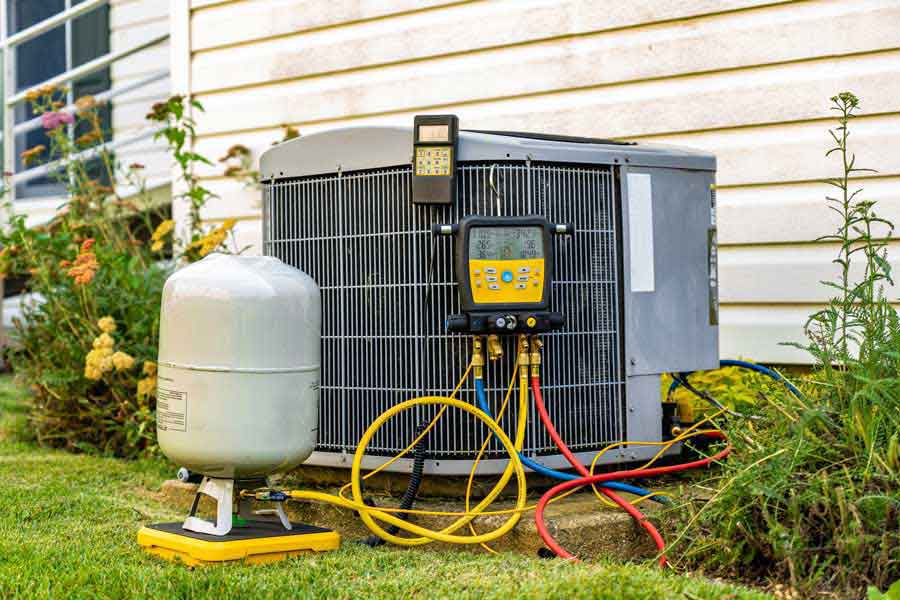
A failing AC compressor is one of the most expensive repairs a Larkfield-Wikiup homeowner will face. Working with homeowners across the rebuilt neighborhoods north of Santa Rosa and along the Old Redwood Highway corridor, we’ve learned to spot the warning signs early. Warm air blowing from your vents, inconsistent cooling room to room, or climbing energy bills shouldn’t be ignored. These are the moments when professional diagnosis matters, because catching a compressor problem before it fails completely can save you thousands. Let’s walk through the eight signs that tell you it’s time to call.
Common Symptoms of a Failing AC Compressor
When your air conditioning system begins to struggle, the compressor is often the culprit. In our work throughout Larkfield-Wikiup, we’ve seen homeowners overlook the early warning signs, only to face much bigger bills later.
The most obvious symptom is warm air blowing from your vents. If your system is running but not cooling, your compressor may have lost its ability to pressurize refrigerant. You might also notice that some rooms stay cool while others remain warm, suggesting uneven cooling that points to compressor strain.
Another red flag is how often your AC cycles on and off. When a compressor weakens, the system works harder to reach your desired temperature, cycling more frequently throughout the day. This constant struggle not only wastes energy but shortens the compressor’s remaining lifespan.
You may spot refrigerant leaks or visible corrosion around the outdoor unit, which can damage the compressor over time. And if your monthly energy bills have crept up without a clear reason, your compressor is likely working overtime to compensate for its own decline.
If you’re seeing one or more of these signs, our AC repair team can diagnose the issue and discuss your options.
Unusual Noises That Signal Trouble
Strange noises from your AC unit are never a good sign. They’re your system’s way of telling you something has gone wrong inside.
These sounds range from rattles to hissing, and each one points to a specific problem. Learning what to listen for helps you know when to act.
Common AC Noises
If you hear a loud banging or clanking from the outdoor unit, loose or damaged components inside are likely rubbing together. A hissing sound almost always means refrigerant is leaking from the system, and a high-pitched squeal suggests the compressor motor or fan bearing is failing.
A persistent buzzing can indicate electrical problems building inside the unit, and this is one you shouldn’t wait on. Each of these sounds is your AC’s warning system at work.
In Larkfield-Wikiup, CA homes, where summer heat from the inland valley pushes systems hard, we recommend treating any unusual noise as a sign to schedule a professional inspection. Small problems caught early stay small.
Causes of Unusual Sounds
Rattling usually means loose parts or debris has worked its way inside the unit, where it strikes the fan or coils. A hissing sound points directly to refrigerant leaking out, which reduces cooling capacity and can eventually harm the compressor itself.
Squealing noises often mean the motor bearings are worn and beginning to fail, while buzzing suggests an electrical issue brewing inside the unit. Each sound represents a different failure mode, but they all share one thing in common: they get worse if you ignore them.
The longer you wait, the more damage spreads. That’s why we recommend calling a professional as soon as you hear something off.
When to Call Experts
If you hear clanking, buzzing, or hissing coming from your AC unit, it’s time to reach out. These sounds mean the system is damaged and needs professional attention. Continuing to run a unit with electrical problems or refrigerant leaks can turn a repair into a replacement.
At KC Home Services, our team brings over 40 years of experience diagnosing these exact problems in Sonoma County homes. We treat your home like our own, taking the time to find the real issue and explain your options before any work begins.
The cost of an inspection is modest compared to the cost of waiting until your compressor fails completely. Early diagnosis and professional AC service can save you money and extend your system’s life.
Inconsistent Cooling: What Does It Mean?
Uneven cooling room to room is frustrating, especially during hot Larkfield-Wikiup summers. One room feels perfectly cool while another stays stuffy and warm, and the thermostat doesn’t seem to fix it.
This pattern often points to a weakening compressor. As the compressor’s capacity declines, it can’t maintain steady pressure throughout the refrigerant cycle, leading to some areas of your home cooling normally while others lag behind.
Dirty air filters or obstructed ducts can cause the same symptom, so those are worth checking first. But if your filters are clean and your ducts are clear, a failing compressor is the likely culprit.
Inconsistent cooling also means your system is working unevenly, which accelerates wear on whatever is causing the problem. The sooner you address it, the sooner you can return to reliable comfort.
AC maintenance from a qualified professional can identify whether the problem is a simple fix or something more serious.
Increased Energy Bills: A Hidden Warning
Your energy bill is a quiet messenger. When it climbs without explanation, something in your home has become less efficient.
A failing AC compressor works harder to move refrigerant, consuming more electricity to achieve the same cooling effect. In Larkfield-Wikiup, CA homes, where summer temperatures reach well into the 90s, this added strain on an aging compressor shows up immediately on your utility statement.
Unusual spikes in cooling costs are worth investigating. If your home’s insulation hasn’t changed and your usage patterns are the same, your AC system is the likely reason. Catching this early can prevent much larger repair bills.
Hidden Cost Indicators
Rising energy bills often go unnoticed until they’re significantly higher than the previous year. But this pattern holds important information about your cooling system’s health.
A struggling compressor needs to run longer and more often to achieve the same result, which means your utility costs climb. You might find yourself adjusting the thermostat more frequently, trying to coax more cooling from a system that’s already laboring.
Tracking your energy usage month to month helps you spot trends early. When you notice a pattern of increasing bills during the cooling season, that’s the time to schedule a professional inspection.
Energy Efficiency Decline
When your AC system’s efficiency drops, you feel it both in comfort and in cost. A failing compressor has to work harder to do its job, and this struggle is reflected in higher monthly bills.
If your energy costs have climbed but your usage hasn’t changed, your compressor is likely the reason. The system is consuming more electricity to deliver the same cooling, which is a classic sign of internal mechanical failure.
Acting on this early means you can plan a replacement on your timeline, rather than facing an emergency failure in the middle of summer.
Frequent Cycling: Is Your AC Overworking?
Normal AC cycling happens several times per hour as the system reaches your set temperature and shuts off briefly. But if you notice your unit running nearly constantly, something is wrong.
Frequent cycling can result from a faulty thermostat or clogged filters, but it often signals a compressor problem. As the compressor weakens, the system can’t build pressure efficiently, so it runs longer to achieve cooling, then cycles back on again more quickly than normal.
This constant on-and-off pattern shortens the compressor’s remaining life, because each start-up creates stress inside the motor. It’s a spiral where the problem feeds itself, making replacement inevitable sooner rather than later.
Check your air filter first. If it’s clean and your thermostat settings look correct, the cycling pattern likely points to compressor wear. This is another good reason to call a professional.
Refrigerant Leaks: Signs You Can’t Ignore
Refrigerant isn’t consumed; if your system is low on refrigerant, it’s leaking somewhere. This is not a problem that fixes itself, and it will destroy your compressor if left unchecked.
Signs of a refrigerant leak include warm air blowing from vents even when the system is running, or ice buildup on the copper refrigerant lines and evaporator coils. Ice forms when refrigerant levels drop so low that the coils freeze instead of cooling air normally.
You might hear hissing or bubbling sounds near the outdoor unit, which indicates refrigerant escaping. And if you’re adjusting your thermostat constantly without seeing improvement, low refrigerant is a strong possibility. Professional AC repair can locate and seal leaks while replenishing refrigerant to keep your system running.
Higher energy bills often accompany refrigerant leaks, because the system compensates for lost refrigerant by running longer. The combination of warm air, higher bills, and strange sounds is a clear signal to stop running the system and call for help.
What to Do When You Suspect Compressor Failure
If you’re seeing these warning signs, start with the simplest checks. Verify your thermostat is set to cool and at a reasonable temperature. Make sure your air filter is clean, as a clogged filter can sometimes mimic compressor problems.
Look at your outdoor unit from a safe distance. Clear any debris like leaves or branches that might restrict airflow. Obstructions can cause the unit to overheat and shut down, which sometimes looks like a cooling failure.
If you notice strange noises or a complete loss of cooling after these basic checks, turn off the system. Continuing to run a damaged compressor causes further internal damage and makes the final repair more expensive.
Document what you’ve observed. Note when the problem started, what sounds you hear, which rooms cool poorly, and how your energy bills have changed. This information helps a professional technician diagnose the issue more quickly.
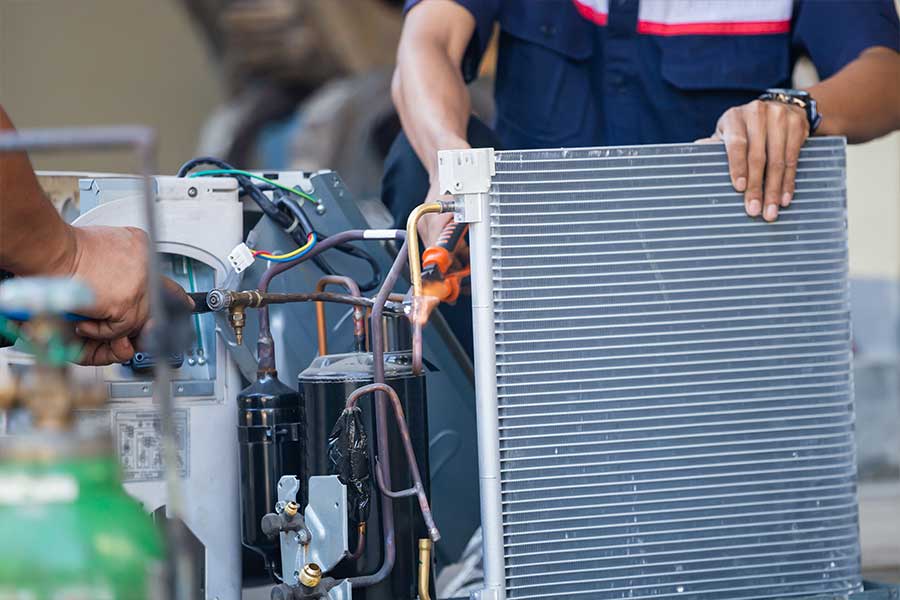
Next Steps for Larkfield-Wikiup Homeowners
Larkfield-Wikiup’s inland valley climate and mix of older rebuilt homes and newer construction means AC systems work hard here. Regular maintenance catches many problems before they become expensive failures.
A professional AC inspection can tell you whether your compressor is weakening or already failed. If repair is still possible, you can plan it on your terms. If replacement is inevitable, understanding that early lets you budget and schedule the work when it works for your family.
KC Home Services has been serving Sonoma County families for over 40 years, and we’ve diagnosed countless AC problems in homes just like yours. We approach every inspection with honesty and transparency, so you know exactly what you’re facing and what it will cost.
When you’re ready to move forward, contact our team today to schedule your AC diagnosis and get back to reliable cooling.